
Atlas mato nima? Fashionista uchun atlas mato bo'yicha qo'llanma
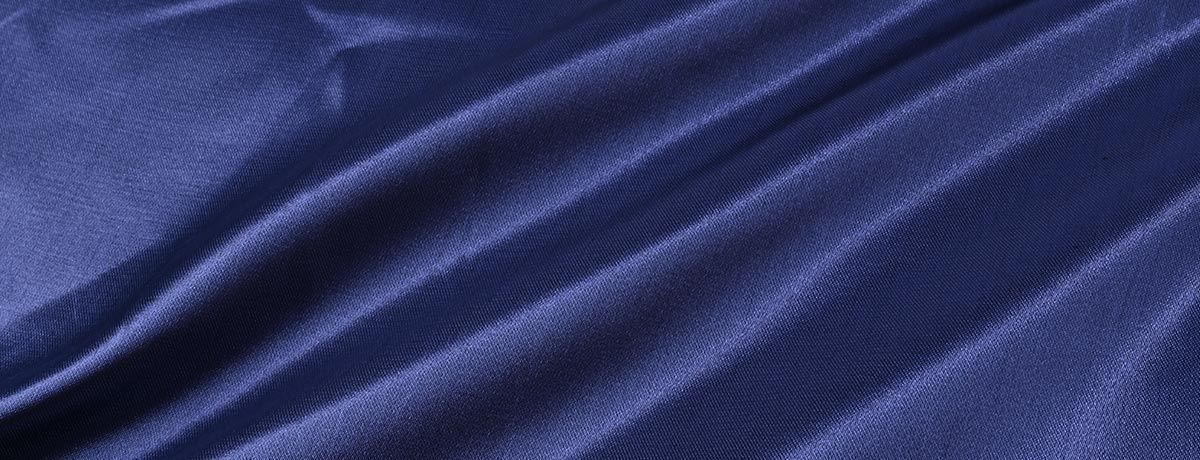
Satin cloth is a fabric made with a satin weave, not a specific fiber. In this construction, warp yarns float over four or more weft yarns, which gives the fabric a smooth, glossy face and a duller back.
For garment manufacturers, importers, home-textile wholesalers, bridal-wear brands, and other B2B buyers, that distinction affects every sourcing decision: “satin” tells you the weave, while the fiber behind it, silk, polyester, or a blend, sets the price, care, drape, and performance.
Key Takeaways
- Satin is a weave, not a fiber. The glossy face comes from warp floats over 4+ weft yarns; the same weave runs in silk, polyester, nylon, or blends.
- Silk satin is the premium, breathable, high-drape option; polyester satin is the durable, wash-friendly, cost-efficient workhorse for most bulk orders.
- For B2B sourcing, specify fiber content, weight (GSM or momme), weave harness, finish, and width, not just “shiny”.
What Is Satin Cloth?
Ishlab chiqarishda
Satin cloth is any fabric constructed with a satin weave, a warp-faced structure in which each warp yarn floats over four or more weft yarns before being tied down. Those long floats reflect light in one direction, which is what gives satin its signature sheen and smooth hand. Because the definition is about construction rather than raw material, satin can be woven from silk, polyester, nylon, acetate, or blended yarns, and each fiber keeps the glossy face while behaving very differently in wear, wash, and drape.
For garment and home-textile manufacturers, that means the word "satin" on its own is not a spec. A silk satin and a polyester satin of the same weight look similar on a swatch card but diverge sharply on breathability, wrinkle recovery, dye behavior, and cost. The useful question on a purchase order is always "satin weave in which fiber, at what weight and finish."
Nima uchun bu xaridorlar uchun muhim
Getting the satin spec right at sourcing is cheaper than fixing it after shipment. A bridal-wear brand that orders "satin" and receives a stiff, low-harness polyester when it expected fluid silk satin ends up with returns and reorders. Matching fiber and weave to the end product, evening wear, lingerie, curtains, or ribbon, before the order is placed is what keeps the finished goods on-brief and the complaint rate down.
Satin Cloth Properties
Satin cloth shares a family of properties regardless of fiber, then diverges by material. The shared traits come from the weave; the variable traits come from what it is woven with, and specific products such as our 100% poliester atlas mato for women’s wear and underwear illustrate how these properties translate into real specifications for bulk orders.
-
Glossy face, matte back. The warp-faced structure reflects light on one side and stays dull on the reverse, creating a smooth surface, which is why crêpe-back satin is used as a reversible fabric.
-
Fluid drape. Long floats and few interlacings let satin fall and pleat smoothly, a key reason it dominates evening and bridal wear.
-
Smooth, low-friction hand. The flat face slides easily, which suits linings and ichki kiyim va aksessuarlar, but satin’s soft, slippery texture can be prone to snags and also means seams can slip during sewing.
-
Fiber-dependent performance. Silk satin breathes and takes dye with depth; polyester satin resists wrinkles, washes easily, and costs less; stretch satin adds elastane for form-fitting garments.
Types of Satin Cloth
There are several different types of satin in commercial use, separated mainly by fiber and finish rather than by weave alone. Knowing which one a project needs is the core of a clean satin order.
-
Ipak atlas — pure silk, the premium option, breathable with the deepest luster and drape; standard for evening gowns, wedding dresses, and luxury bedding.
-
Charmeuse atlas — a lightweight type of satin fabric with a glossy front and dull back, often chosen for fluid garments and lingerie, similar in end use to MH’s polyester-spandex paradise satin for evening and bridal gowns.
-
Poliester atlas — synthetic, durable, wrinkle-resistant, and far more affordable; the default for most bulk apparel, ribbon, and decor orders.
-
Baronet satin — uses rayon warp and cotton weft threads, combining shine with added strength.
-
Stretch satin — satin woven with elastane (spandex) for two- or four-way stretch, used in form-fitting apparel and shapewear.
-
Crêpe-back satin — reversible, with a satin face and a textured crêpe back, giving designers two surfaces in one cloth.
-
Slipper (duchess) satin — a heavier, medium-weight satin with body, used for structured bridal gowns and drapery.
-
Saten — made from 100% short staple cotton and has less sheen than satin’s glossy surface, despite using related satin weaves.
For lighter, semi-sheer alternatives with comparable fluidity, many apparel programs pair satin with wholesale shifon mato for dresses and linings.
For a fuller breakdown of the base weave itself, see our guide to what satin is and how it's defined.
Silk Satin vs. Polyester Satin: Side-by-Side
Most sourcing decisions come down to silk versus polyester satin, and the two behave differently on nearly every spec that matters at volume.
| Ipak atlas | Polyester atlas | |
|---|---|---|
| tola | Natural protein (silk) | Synthetic (polyester) |
| Shin | Deep, soft luster | Bright, sometimes harder shine |
| Nafas olish qobiliyati | baland | past |
| Ajinlarga qarshilik | o'rtacha | baland |
| g'amxo'rlik | Hand washing is safest; use a gentle detergent or dry clean | Mashinada yuvish mumkin |
| Nisbiy xarajat | baland | past |
| Eng mos dastur | Bridal, evening wear, luxury bedding | Bulk apparel, linings, ribbon, event decor |
Neither is "better" in the abstract. Silk satin wins on hand and breathability for premium lines; polyester satin wins on durability, wash-and-wear, and unit cost for volume production. To protect satin items, air dry them flat on a clean towel after washing, and if needed, iron on low heat with a pressing cloth to preserve the lustrous appearance. For a deeper comparison, see silk satin vs. polyester satin va satin or silk: which to choose.
Common Applications for Satin Cloth
Satin's fluid drape and light-reflecting face make it a default for products where look and movement matter. This versatile fabric Shuningdek, a popular fabric when softness and sheen are part of the design brief. Matching the satin type to the application is what keeps the finished product on-brief, and many buyers will combine satin with other bases like durable 100% poliester mini mat mato for uniforms and decor in a single program.
-
Kiyim-kechak: evening gowns, wedding dresses, blouses, linings, eveningwear accessories, ties, and hats; it is also common in balo liboslari va satin dresses Ular uchun hashamatli tuyg'u.
-
Lingerie and sleepwear: where the low-friction hand and drape are the selling point.
-
Uy matolari: curtains, cushion covers, bedding, choyshablar, choyshabva satin sheets that need a luxurious surface, sometimes coordinated with TC 65/35 dumaloq mato for durable home and workwear textiles.
-
Trim and packaging: atlas lenta, bows, and event decor, usually in durable polyester satin.
Sourcing Satin Cloth from MH (Supplier Overview)
MH (Ningbo MH), 1999-yilda tashkil etilgan, aleading global supplier of garment accessories and tailoring materials serving buyers in over 150 countries, and satin, in silk, polyester, and stretch constructions, is one of the recurring lines MH's B2B clients source for apparel, bridal, and home-textile programs.
Kiyim-kechak ishlab chiqaruvchilari, importchilari va uy to'qimachilik ulgurji sotuvchilari uchun ushbu miqyosda yetkazib beruvchi bilan ishlash quyidagilarni anglatadi:
-
Doimiy lotlar — satin woven and finished to repeatable weight, harness, and sheen across reorders, so a second production run matches the first.
-
Bir martalik materiallar — pair a base satin with matching satin ribbon, 40/2 100% yigirilgan poliester tikuv ipi for industrial stitching, elastane trims, and lining from the same source under the MH and TWO BIRDS marks.
-
Proven global logistics expertise — a supplier with an established track record of shipping to 150+ countries, backed by prestigious trade credentials including recognition as a "Top 500 China Service Industry" company and "AAA Trustworthy Company" certification.
-
Maxsus spetsifikatsiyalar — define your exact requirements upfront, including fiber content, weight (GSM or momme), weave harness, finish, and width. Minimum order quantities and lead times are agreed upon before production begins.
If you're comparing satin quotes, ask any supplier for the fiber content, weight, weave harness, and finish in writing, not just a "shiny satin" description. MH's team quotes against those same variables so you can compare like-for-like.
Texnik xususiyatlarga asoslangan narx taklifini so'rang →


Savol-javoblar
Atlas matomi yoki to'qilganmi?
Satin is a weave, not a fiber. It describes a warp-faced construction where warp yarns float over four or more weft yarns to create a glossy face and matte back. The same satin weave can be made in silk, polyester, nylon, or blends, which is why fiber and weave both need to be specified when sourcing.
What is the difference between silk satin and polyester satin?
Silk satin is woven from natural silk and offers deep luster, breathability, and premium drape, but costs more and usually needs hand-washing or dry cleaning. Polyester satin is synthetic, more affordable, wrinkle-resistant, and machine-washable, which makes it the default for most bulk apparel, ribbon, and decor orders.
What specs should I request when ordering satin cloth?
Ask for fiber content, weight (GSM for synthetics or momme for silk), weave harness, finish, and width, plus MOQ and lead time. These figures, not a general "shiny satin" description, are what let a supplier hold consistent sheen, weight, and drape across production lots.
Which satin is best for bridal and evening wear?
Higher-harness silk satin or heavier slipper (duchess) satin is standard for bridal and evening wear because of the deep luster, fluid drape, and body they provide. Where budget or washability matters more, an 8-harness polyester satin gives a similar look at a lower unit cost.
