
Jun qanday material? Jun mato uchun qo'llanma
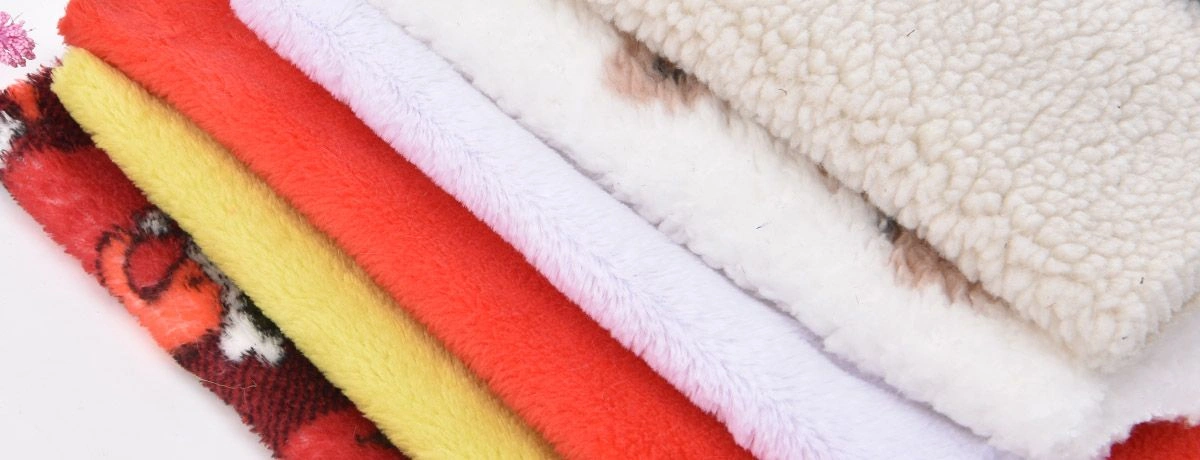
Fleece is a brushed knit fabric made primarily from polyester, not a woven cloth and not natural wool. The polyester yarn is knitted, then mechanically brushed (napped) on one or both sides to raise a soft pile that traps air for insulation.
Because "jun" describes a construction-and-finish, not a single fiber or weight, the same word covers everything from a 100 gsm microfleece base layer to a 300+ gsm high-loft blanket.
Key Takeaways
- Fleece is a brushed polyester knit, not a weave and not wool; it can also be blended or made from recycled PET.
- The warmth comes from air trapped in the raised nap, and it scales with fabric weight (GSM).
- The three sourcing workhorses are polar fleece, microfleece, and eco-fleece — pick by GSM and end use.
- Fleece beats wool and cotton on weight, quick-dry, and easy care; wool wins on natural-fiber positioning.
- For B2B sourcing, specify type, GSM, anti-pill grade, finish, width, color, and MOQ — not just “fleece”.
What Does "Fleece" Mean? (Definition)
Fleece is a soft, napped fabric knitted from synthetic fibers, most commonly 100% polyester. Keyin the polyester is knitted into a base cloth, the surface is brushed to pull up loose fiber ends into a plush pile. That pile creates thousands of tiny air pockets that hold body heat, giving fleece wool-like warmth at a fraction of the weight and cost. Change the yarn, the knit density, or the brushing, and you change the weight, warmth, and hand-feel, but the core identity — a brushed polyester knit — stays the same.
How Is Fleece Classified by Weight (GSM)?
Fleece is categorized by weight in grams per square meter (gsm), and GSM is the number a buyer should quote against because it maps directly to warmth and end use. Lighter fleece breathes and layers; heavier fleece insulates and drapes with more body.
| GSM diapazoni | Class | Odatda B2B foydalanish |
|---|---|---|
| ~100–150 GSM | Microfleece / lightweight | Base layers, linings, activewear |
| ~180–220 GSM | Midweight (200-class polar) | Pullovers, jackets, general apparel |
| ~250–300 GSM | Heavyweight polar | Outerwear, vests, cold-weather gear |
| 300+ GSM | High-loft / sherpa | Blankets, throws, home textiles, deep-winter |
Confirming GSM up front avoids the most common fleece complaint we see — a customer expecting "warm" fleece receiving a thin lining weight, or vice versa.
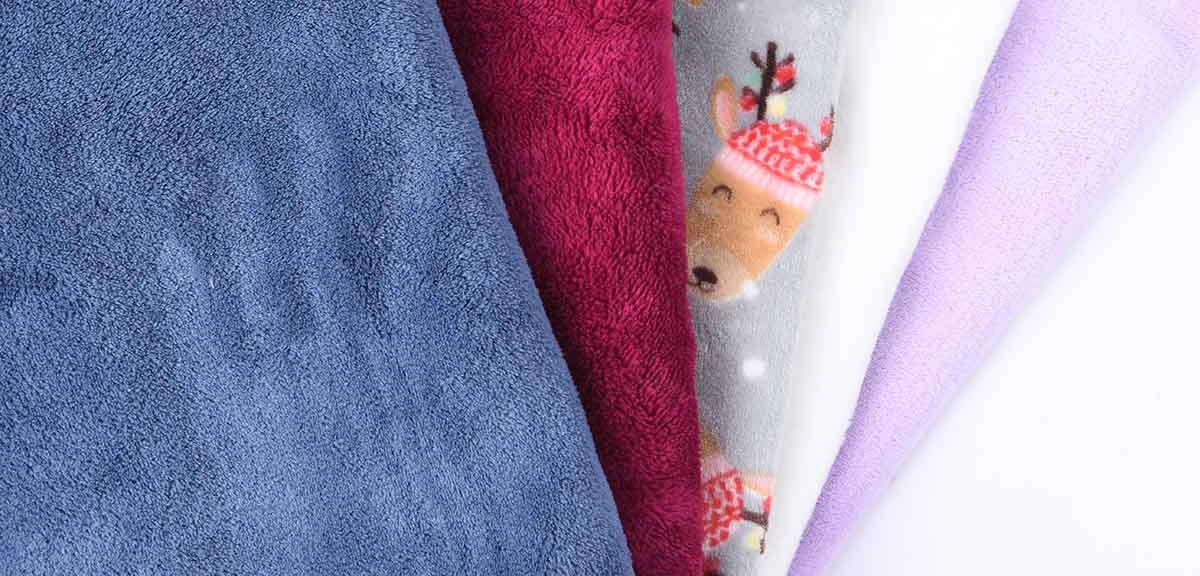
What Are the Main Types of Fleece, Including Polyester Fleece?
For wholesalers and garment manufacturers, the practical differences between fleece fabrics come down to weight, softness, and sustainability positioning, not just name. Different types can also vary by construction, and tightly woven fleece is more breathable but less warm. These are the three most likely to appear on a spec sheet.
| Flis turi | Weight / character | Eng mos dastur | Manbalar haqida eslatma |
|---|---|---|---|
| Polar jun | Mid-to-heavy, warm, water-resistant | Jackets, hats, gloves, outerwear | Workhorse; wide GSM range |
| Mikrofleece | Lightweight (<200 GSM), breathable | Base layers, linings, next-to-skin | Best moisture management, low pill |
| Eco-fleece | Matches equivalent GSM | Sustainable apparel, retail-facing lines | Recycled PET; ask for GRS/RCS docs |
Fleece vs Wool vs Cotton: Which to Source?
Buyers weighing fleece against wool or cotton are usually optimizing for warmth-to-weight, care, and cost. Here's the like-for-like comparison.
| Fleece (polyester) | Jun | paxta | |
|---|---|---|---|
| tola | Sintetik (poliester) | tabiiy | tabiiy |
| Issiqlikdan vaznga | baland | baland | past |
| Quriydi | tez | sekin | sekin |
| Namlik bilan urish | ha | o'rtacha | Yutish |
| g'amxo'rlik | Machine wash, easy | Often delicate | Mashinani yuvish |
| Nisbiy xarajat | past | baland | Past-o'rta |
| Eng yaxshisi | Outerwear, activewear, blankets | Premium natural lines | Casual, warm-weather |
Fleece vs wool: both insulate well, but polyester fleece is typically used for clothing because it is light and warm, though it is hydrophobic rather than waterproof on its own. Wool retains warmth when wet and carries natural-fiber positioning, at a higher price and more maintenance.
Fleece vs cotton: fleece clearly wins on warmth and moisture management for cold weather and exertion; cotton breathes better for casual, warm-weather wear but absorbs moisture and dries slowly.
What Are Fleece's Key Properties: Does It Absorb Water?
Fleece's commercial value rests on four properties buyers can rely on:
-
Issiqlik va izolyatsiya — air trapped in the nap; high-loft grades handle extreme cold, and high loft fleece traps larger air pockets for extra warmth.
-
Breathability and moisture-wicking — wicks sweat away, has tez quritish ishlash, va tez quriydi, ideal for activewear and smooth-side lining qatlamlar.
-
Yumshoqlik va qulaylik - a yumshoq mato bilan yumshoq brushed surface used across kiyim-kechak va tashqi kiyim.
-
Yengil ko'p qirralilik — warm without bulk, across apparel, gear, and home textiles, and pairs well with 100% poliester Dri-Fit matosi sport kiyimlari uchun.
Fleece is hydrophobic, can suvni yutish only minimally, and holds less than 1% of its weight in water. It is water resistant but not suv o'tmas, and stronger resistance usually comes from added chemical coatings. Some versions are made shamol o'tkazmaydigan with similar treatments, and fleece can generate static electricity easily.
MH dan jun mato sotib olish (Yetkazib beruvchiga umumiy nuqtai nazar)
MH (Ningbo MH), 1999-yilda tashkil etilgan, a leading garment accessories and tailoring materials supplier serving buyers in over 150 countries, and fleece is part of a catalog built for wholesale and manufacturing volume. For B2B buyers evaluating a fleece supplier, the facts that matter are scale, consistency. That footprint is what lets a wholesaler consolidate fleece, thread, zippers, tape, and trims under one supplier instead of managing a dozen.
Kiyim-kechak ishlab chiqaruvchilari, importchilari va uy to'qimachilik ulgurji sotuvchilari uchun ushbu miqyosda yetkazib beruvchi bilan ishlash quyidagilarni anglatadi:
-
Doimiy lotlar — polar and microfleece sewn with 40/2 100% yigirilgan poliester tikuv ipi and woven to repeatable GSM, loft, and shade across reorders.
-
Bir martalik materiallar — pair fleece with ulgurji tikuv iplari, zippers, ribbon, and lining from the same source.
-
Maxsus xususiyatlar — fiber, GSM, anti-pill grade, nap, width, and finish specified to your production needs, with MOQ discussed up front, including options like 150D/2 rayon kashtachilik ipi for branding and logos.
If you’re comparing fleece quotes, ask any supplier for type, GSM, anti-pill grade, finish, width, color, MOQ, and lead time in writing — and for eco-fleece, recycled-content certification. MH’s team quotes against those same variables so you can compare like-for-like.
Browse the polar fleece range →


Savol-javoblar
Flis tabiiy matomi yoki sintetikmi?
Fleece is synthetic. Despite the name's association with sheep's wool, modern fleece is engineered from polyester (often 100%), not shorn from an animal. It is not the same material as wool from sheep, while sheepskin fleece is a separate natural material. This is why it's lighter, faster-drying, and easier to care for than natural wool.
How is fleece different from wool?
Both insulate well, but fleece is synthetic polyester — lighter, quick-drying, machine-washable, and cheaper — while wool is a natural fiber that retains warmth when wet, carries natural-fiber positioning, and costs more with more delicate care. Merino wool is a natural alternative for buyers who want warmth with a more traditional fiber profile. Fleece is also less likely to itch sensitive skin.
What GSM should I order for fleece?
It depends on the end use: roughly 100–150 gsm for microfleece linings and base layers, 180–220 gsm for midweight apparel, 250–300 gsm for outerwear, and 300+ gsm for blankets and high-loft goods, including sweatshirts. Always confirm GSM on the purchase order, since it drives warmth, hand, and price.
What is eco-fleece and is it certified?
Eco-fleece is made from recycled PET (plastic bottles), giving the same warmth as standard fleece with a recycled-content story. Synthetic fleece can shed microplastics when washed. Patagonia found it can release about 1.7 grams of microfibres per wash. If you plan to make sustainability claims at retail, request GRS or RCS certification from the supplier so the recycled content is documented.
Yetkazib beruvchidan jun mato buyurtma qilish uchun qanday ma'lumotlar kerak?
Specify fleece type (polar/micro/eco), GSM, anti-pill grade, nap (single/double-sided), width, color, MOQ, and lead time. Providing these upfront lets a supplier like MH quote accurately and hold consistent lots across reorders.
Xulosa
Fleece's staying power comes from one flexible construction — a brushed polyester knit — that spans a thin 100 gsm lining to a plush 300+ gsm blanket, serving apparel, outdoor gear, and home textiles alike.
